Table of Contents
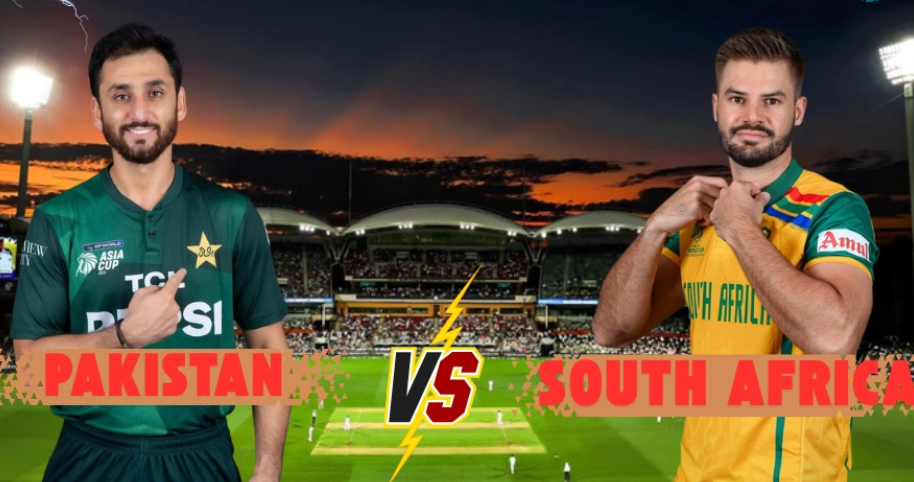
Few international cricket rivalries have combined skill, intensity, and consistency as effectively as the contests between Pakistan and South Africa. Across multiple formats, their meetings have produced thrilling finishes, world-class bowling spells, remarkable batting performances, and unforgettable pressure moments. From the early encounters following South Africa’s return to international cricket to modern clashes featuring a new generation of stars, every match has added another chapter to a fascinating story. The rivalry stands out because of the contrasting styles, competitive spirit, and tactical depth displayed by both teams, making each encounter highly anticipated by cricket fans around the world.
Recent Matches Table
| Date | Format | Venue | Winner | Margin | Pakistan Score | South Africa Score |
| 08-11-2025 | ODI | Faisalabad | Pakistan | 7 wickets | 144/3 | 143 |
| 06-11-2025 | ODI | Faisalabad | South Africa | 8 wickets | 269/9 | 270/2 |
| 04-11-2025 | ODI | Faisalabad | Pakistan | 2 wickets | 264/8 | 263 |
| 01-11-2025 | T20I | Lahore | Pakistan | 4 wickets | 140/6 | 139/9 |
| 31-10-2025 | T20I | Lahore | Pakistan | 9 wickets | 112/1 | 110 |
| 28-10-2025 | T20I | Rawalpindi | South Africa | 55 runs | 139 | 194/9 |
| 20-10-2025 | Test | Rawalpindi | South Africa | 8 wickets | 333 and 138 | 404 and 73/2 |
Team Statistics Summary Table
| Format | Total Played | Pakistan Won | South Africa Won | Tied Matches | No Result | Draws |
| Test | 34 | 8 | 18 | 0 | 0 | 8 |
| ODI | 87 | 34 | 52 | 0 | 1 | 0 |
| T20I | 26 | 13 | 13 | 0 | 0 | 0 |
| World Cup | 6 | 2 | 4 | 0 | 0 | 0 |
| In Pakistan | 32 | 11 | 13 | 0 | 0 | 8 |
| In South Africa | 69 | 18 | 46 | 0 | 5 | 0 |
| Neutral Venues | 46 | 26 | 24 | 0 | 4 | 0 |
Individual Batting Records Table
| Player Name | Team | Match Format | Total Runs | Highest Score | Batting Average | Strike Rate |
| AB de Villiers | South Africa | ODI | 1423 | 128 | 59.29 | 91.15 |
| Jacques Kallis | South Africa | Test | 974 | 135 | 57.29 | 43.12 |
| Babar Azam | Pakistan | ODI | 596 | 103 | 59.60 | 87.21 |
| Fakhar Zaman | Pakistan | ODI | 490 | 193 | 49.00 | 95.32 |
| Quinton de Kock | South Africa | ODI | 453 | 101 | 41.18 | 92.41 |
| Saim Ayub | Pakistan | T20I | 108 | 71 | 54.00 | 134.20 |
| Reeza Hendricks | South Africa | T20I | 94 | 42 | 31.33 | 121.40 |
Individual Bowling Records Table
| Player Name | Team | Match Format | Wickets Taken | Best Bowling | Economy Rate | Bowling Average |
| Waqar Younis | Pakistan | ODI | 58 | 5/16 | 5.02 | 24.01 |
| Dale Steyn | South Africa | Test | 55 | 6/44 | 2.84 | 21.32 |
| Saeed Ajmal | Pakistan | ODI | 41 | 4/31 | 3.92 | 22.10 |
| Shaun Pollock | South Africa | ODI | 39 | 5/20 | 3.61 | 23.45 |
| Shaheen Afridi | Pakistan | ODI | 17 | 4/51 | 5.54 | 28.11 |
| Corbin Bosch | South Africa | T20I | 7 | 3/17 | 7.20 | 18.89 |
| Faheem Ashraf | Pakistan | T20I | 6 | 4/23 | 6.80 | 16.50 |
When Two Cricket Cultures Finally Crossed Paths
The meeting between these two international sides brought together contrasting cricket philosophies. One team relied heavily on natural flair, unpredictable brilliance, and aggressive fast bowling, while the other focused on structure, discipline, and tactical precision. Their early encounters quickly gained attention because both teams possessed world-class talent capable of changing matches within a single session. Fans were fascinated by the clash of styles, and every contest carried a sense of curiosity about which approach would prevail. The foundation of a respected cricket rivalry was established through competitive matches, intense performances, and a growing mutual respect that would shape future generations.
| Era | Focus | Strength | Impact |
| Early 1990s | New Encounters | Fast Bowling | Rivalry Begins |
| Mid 1990s | Tactical Growth | Team Balance | Greater Competition |
| Late 1990s | ICC Events | Pressure Cricket | Global Attention |
| Early 2000s | Established Battle | Experienced Players | Strong Legacy |
| Modern Era | Multi Format Cricket | Adaptability | Continued Relevance |
The First Battle That Set the Tone
The opening chapter of this rivalry immediately showcased competitiveness and determination. Players from both dressing rooms understood the importance of making an early statement. Batters were challenged by disciplined bowling attacks, while captains experimented with field placements and match situations. The contest remained closely fought for long periods, creating excitement among spectators and establishing a benchmark for future meetings. Media coverage highlighted the intensity and professionalism displayed throughout the game. Although only one side emerged victorious, the real winner was the rivalry itself, which gained credibility and anticipation from cricket followers around the world.
| Match Phase | Key Feature | Team Response | Result |
| Opening Overs | Early Pressure | Cautious Batting | Balanced Start |
| Middle Overs | Tactical Shift | Rotation Of Strike | Momentum Change |
| Bowling Spell | Wicket Burst | Defensive Approach | Turning Point |
| Final Session | Increased Pressure | Aggressive Play | Match Decider |
| Post Match | Analysis | Strategic Review | Rivalry Growth |
Fast Bowlers, Fire and Pride
Fast bowling became the heartbeat of many memorable encounters. Both teams consistently produced quality pacers capable of exploiting conditions and creating pressure through pace, movement, and accuracy. New-ball spells often determined the direction of matches, while reverse swing and seam movement added another layer of intrigue. The rivalry featured several fierce contests between elite batters and relentless bowlers. Fans eagerly anticipated these battles because momentum could change within a few deliveries. Competitive spirit remained visible without overshadowing respect, making these encounters entertaining and technically fascinating for cricket enthusiasts worldwide.
| Bowling Aspect | Team Focus | Advantage | Outcome |
| New Ball Attack | Early Wickets | Pressure Creation | Strong Starts |
| Reverse Swing | Late Movement | Batting Difficulty | Key Breakthroughs |
| Short Ball Strategy | Aggression | Mental Pressure | Crucial Moments |
| Death Bowling | Accuracy | Run Restriction | Match Control |
| Pace Depth | Squad Strength | Consistency | Long Term Success |
World Cup Pressure Creates New Levels of Drama
Tournament cricket elevated the rivalry to a completely different level. Every run, wicket, and tactical decision carried greater significance because qualification hopes and championship dreams were at stake. Players faced enormous pressure from fans and media, creating an atmosphere where individual brilliance often became decisive. Several high-stakes encounters produced memorable moments that remained part of cricket folklore. Tactical planning became more detailed, and captains frequently adjusted strategies based on conditions and opposition strengths. These matches demonstrated how elite teams respond when the margin for error becomes extremely small.
| Tournament Stage | Pressure Level | Key Factor | Influence |
| Group Stage | Moderate | Consistency | Qualification |
| Super Stage | High | Momentum | Progression |
| Quarter Final | Very High | Nerve Control | Survival |
| Semi Final | Extreme | Execution | Final Opportunity |
| Knockout Games | Maximum | Match Winners | Historic Moments |
The Era of Wasim, Waqar and Pollock
A generation filled with exceptional bowling talent transformed the rivalry into a showcase of elite skill. Accurate seam bowling, intelligent field settings, and relentless competitiveness defined many contests during this period. Batters often had to earn every run against attacks that rarely offered easy scoring opportunities. Leadership also played a significant role, as captains searched for tactical advantages through bowling changes and field placements. Matches frequently swung back and forth, reflecting the quality present on both sides. Many observers still regard this period as one of the most compelling phases of the rivalry.
| Category | Feature | Advantage | Legacy |
| Swing Bowling | Movement | Wicket Taking | Historic Spells |
| Seam Bowling | Accuracy | Control | Consistency |
| Captaincy | Strategy | Tactical Edge | Smart Decisions |
| Batting Response | Resilience | Recovery | Competitive Balance |
| Team Culture | Professionalism | Stability | Long Term Impact |
Chasing Greatness in the ODI Arena
Limited-overs cricket produced some of the rivalry’s most exciting contests. Teams regularly pushed scoring boundaries while balancing aggression with risk management. Successful chases, rapid scoring bursts, and crucial partnerships became common themes. The format rewarded adaptability, forcing players to adjust according to match situations and conditions. Captains relied on innovative tactics to control momentum, while spectators enjoyed dramatic finishes that often remained uncertain until the closing overs. These contests helped define the rivalry for a generation of fans who valued excitement, skill, and unpredictable outcomes.
| ODI Element | Importance | Team Approach | Result |
| Powerplay | Early Momentum | Aggressive Intent | Fast Starts |
| Partnerships | Stability | Strike Rotation | Platform Building |
| Middle Overs | Control | Tactical Batting | Match Balance |
| Death Overs | Acceleration | Boundary Hitting | Higher Totals |
| Chase Strategy | Adaptability | Calculated Risk | Competitive Finishes |
Test Cricket’s Longest Psychological Battles
The longest format revealed the deepest dimensions of the rivalry. Success required patience, concentration, and strategic thinking over multiple days. Batters had to withstand sustained pressure, while bowlers searched tirelessly for weaknesses. Sessions rather than overs often determined momentum, creating a fascinating contest of endurance and skill. Captains carefully managed resources, balancing aggression with caution to maintain control. These matches highlighted the mental side of cricket and demonstrated why Test cricket remains a respected measure of greatness. Many unforgettable performances emerged from these demanding and emotionally charged battles.
| Test Element | Challenge | Key Requirement | Effect |
| Opening Session | New Ball Threat | Technique | Early Control |
| Middle Sessions | Sustained Pressure | Patience | Momentum Shifts |
| Long Innings | Concentration | Endurance | Match Foundation |
| Bowling Workload | Consistency | Fitness | Breakthroughs |
| Final Day | Result Pressure | Decision Making | Dramatic Outcomes |
Conclusion
The rivalry between these two cricketing nations has evolved through different eras while maintaining its competitive edge. Legendary fast bowlers, dependable batters, tactical captains, and emerging young talents have all contributed to memorable contests across Tests, One Day Internationals, and T20 Internationals. Every generation has produced new heroes and defining moments that continue to shape the rivalry’s legacy. Beyond the results, these encounters have showcased the highest standards of international cricket, combining passion, skill, and resilience. As both teams continue to develop and compete on the global stage, this respected rivalry remains an important and exciting part of world cricket.
Faq?
Q: When did the two teams first face each other in international cricket?
A: Their first international meeting took place after South Africa’s return to world cricket, marking the beginning of a competitive rivalry that has continued across all major formats.
Q: Which format has produced the most memorable contests between the two sides?
A: One Day Internationals have delivered many of the most memorable encounters due to high-pressure tournaments, dramatic run chases, and closely contested matches.
Q: Who are some of the most influential players in this rivalry?
A: Legendary names such as Wasim Akram, Waqar Younis, Shaun Pollock, Jacques Kallis, Younis Khan, Dale Steyn, AB de Villiers, and Misbah-ul-Haq have all played significant roles.
Q: What makes this rivalry unique in international cricket?
A: The rivalry is known for combining aggressive fast bowling, tactical battles, competitive spirit, and mutual respect between two highly skilled cricketing nations.
Q: Why do fans continue to follow these matches closely?
A: Fans enjoy the unpredictable nature of the contests, the presence of world-class players, and the history of exciting matches that often produce unforgettable moments.