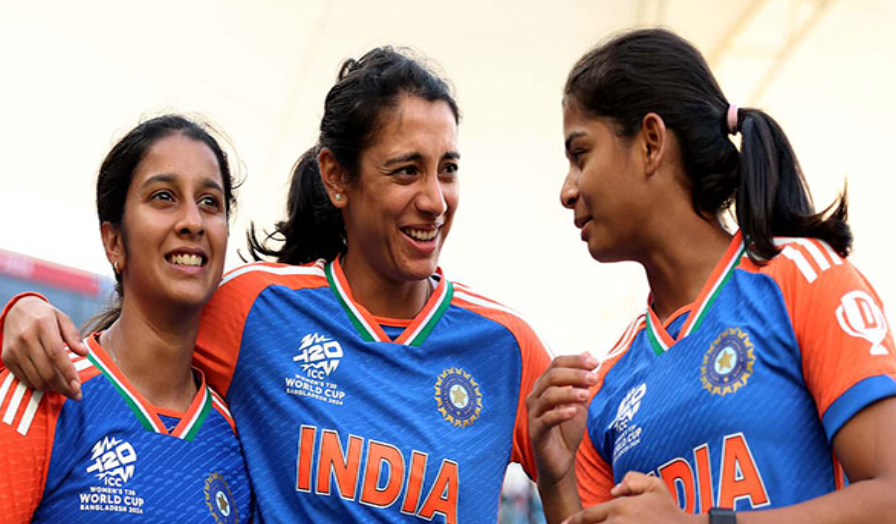
Women’s cricket between these two sides has grown into a fascinating contest shaped by evolving skills, changing team structures, and increasing international exposure. Early encounters showed a clear gap in experience, but over time, the competition became more balanced as both teams strengthened their batting depth, bowling variations, and fielding standards. Each meeting brought new performances, tactical adjustments, and moments of pressure that defined match outcomes. The statistical record reflects shifting dominance, while individual brilliance often turned games unexpectedly. This rivalry now represents the progress of women’s cricket in Asia, where every match adds new layers to an already developing and competitive cricketing journey.
Recent Matches Table
Match Date
Format
Venue
Winner
Margin
First Innings Score
Second Innings Score
2025-12-28
T20I
Thiruvananthapuram
India
15 runs
India 221/2
Sri Lanka 206/6
2025-12-26
T20I
Thiruvananthapuram
India
30 runs
India 175/7
Sri Lanka 145/8
2025-12-24
T20I
Thiruvananthapuram
India
8 wickets
Sri Lanka 128/7
India 129/2
2025-12-21
T20I
Thiruvananthapuram
India
45 runs
India 168/4
Sri Lanka 123/9
2025-12-19
T20I
Thiruvananthapuram
India
7 wickets
Sri Lanka 115/8
India 116/3
2025-09-30
ODI
Guwahati
India
59 runs
India 269/8
Sri Lanka 211/10
2024-07-28
T20I
Dambulla
Sri Lanka
8 wickets
India 165/6
Sri Lanka 166/2
Team Statistics Summary Table
Metric
Women ODI Total
Women T20I Total
India ODI Best
Sri Lanka ODI Best
India T20I Best
Sri Lanka T20I Best
Matches Played
35
30
35
35
30
30
India Wins
31
25
31
0
25
0
Sri Lanka Wins
3
5
0
3
0
5
No Result / Tied
1
0
1
1
0
0
Highest Team Score
342/7
221/2
342/7
254/6
221/2
191/6
Lowest Team Score
78/10
89/10
124/10
78/10
96/8
89/10
Average Runs Per Match
192.5
134.2
210.4
165.2
142.1
122.3
Individual Batting Records Table
Player Name
Team
Matches
Innings
Total Runs
Highest Score
Batting Average
Smriti Mandhana
India
24
23
657
102
31.28
Chamari Athapaththu
Sri Lanka
28
27
420
115
16.15
Shafali Verma
India
12
12
385
69
35.00
Harmanpreet Kaur
India
26
24
368
68
20.44
Hasini Perera
Sri Lanka
15
14
215
46
15.35
Richa Ghosh
India
9
8
198
46
24.75
Jemimah Rodrigues
India
11
10
182
40
22.75
Individual Bowling Records Table
Player Name
Team
Matches
Innings
Wickets
Best Bowling
Economy Rate
Deepti Sharma
India
25
25
38
3/25
5.42
Inoka Ranaweera
Sri Lanka
22
22
26
3/26
5.80
Ekta Bisht
India
14
14
22
3/8
4.95
Udeshika Prabodhani
Sri Lanka
20
20
18
3/16
5.67
Poonam Yadav
India
12
12
17
4/26
5.72
Kavisha Dilhari
Sri Lanka
11
11
12
2/11
6.12
Radha Yadav
India
10
10
11
3/23
6.05
Early foundation of competitive women’s cricket rivalry
The early years of international women’s cricket between these two sides were defined by contrasting levels of experience and structure. One team entered the international arena with a more established domestic system, while the other was still building exposure and consistency. Matches during this phase often reflected a clear gap in execution, especially in batting depth and bowling discipline. However, these encounters were important in shaping long term competitiveness. Players from both sides used these games to understand conditions, pressure situations, and international standards. The fielding intensity and tactical awareness gradually improved with each series. Even when results appeared one sided, there were moments where emerging talent from the less dominant side showed resilience. These early matches laid the foundation for a competitive journey that would slowly evolve into more balanced contests over time, especially as training structures improved and more international exposure was gained by developing squads.
Year
Format
Winner
Margin
Venue
2005
ODI
India
8 wickets
Colombo
2006
ODI
India
5 wickets
Mumbai
2008
T20
India
25 runs
Delhi
2010
ODI
India
10 wickets
Colombo
2012
T20
India
7 wickets
Pune
Early match patterns and performance gaps
As the encounters continued, early match patterns began to highlight clear differences in consistency and execution. One side frequently relied on top-order stability and spin control, while the other struggled with maintaining partnerships under pressure. Score progression in most games showed frequent middle-order collapses from the developing team, which often allowed the opposition to dominate control phases. Bowling units on both sides experimented with combinations, but variations in pace and spin accuracy played a major role in shaping outcomes. Fielding efficiency also became a deciding factor, with dropped chances and misfields influencing momentum shifts. Despite the uneven results, these matches helped both teams identify weaknesses that required improvement. Over time, the gap in execution started narrowing slightly as experience accumulated. Coaches emphasized strike rotation, powerplay utilization, and death-over discipline, which gradually reflected in more competitive scorelines in later meetings.
Batting Focus
Bowling Style
Avg Score
Key Issue
Impact Factor
Top-order
Spin-heavy
180
Collapses
High
Middle-order
Mixed attack
165
Stability
Medium
Lower-order
Pace support
150
Finishing
Medium
Powerplay
Swing bowling
40/3
Early wickets
High
Death overs
Medium pace
30/4
Economy loss
High
Tactical evolution and team development phase
With increasing exposure to international cricket, both sides began refining their tactical approaches. Training methods improved, focusing on fitness, shot selection, and situational awareness. One team developed a structured batting order with defined roles, while the other invested heavily in spin variations and all-round capabilities. Match strategies became more dynamic, with captains experimenting with field placements and bowling rotations. This phase marked a noticeable reduction in one-sided results, as underdog performances began challenging stronger opposition in key phases. Partnerships became more meaningful, especially in the middle overs where consolidation replaced aggression in certain situations. Bowling units started focusing on building pressure through dot balls rather than relying solely on wicket-taking deliveries. These tactical shifts created a more balanced competitive environment, allowing matches to remain uncertain deeper into innings. The evolution of decision-making played a crucial role in transforming the rivalry into a more respected international contest.
Strategy Type
Focus Area
Success Rate
Adaptation Level
Outcome Effect
Batting plan
Anchoring
High
Strong
Stable totals
Bowling plan
Spin control
Medium
Moderate
Pressure build
Field setup
Defensive rings
Medium
High
Reduced boundaries
Powerplay use
Early attack
High
High
Quick wickets
Death overs
Variations
Medium
Strong
Controlled runs
Memorable ODI encounters and turning points
Several ODI encounters between these sides stood out for their shifting momentum and defining performances. Some matches were dominated by strong batting displays, where top-order players built long partnerships and set commanding totals. In contrast, a few games saw unexpected resistance from lower-ranked sides, creating pressure situations for stronger opponents. Bowling spells played a crucial role in turning matches, especially during middle overs when breakthroughs changed the flow of innings. Fielding improvements also contributed to tighter finishes in later years. These encounters highlighted how small tactical decisions, such as bowling changes or batting order adjustments, could influence entire outcomes. Over time, the gap between teams in ODIs became less predictable, with closer finishes becoming more common. Each match added new statistical layers, enriching the overall competitive history and creating a more engaging rivalry for fans and analysts alike.
Match Type
Highest Score
Lowest Score
Avg Runs
Key Moment
ODI
300+
120
240
Big partnership
ODI
280+
140
220
Bowling collapse
ODI
310+
150
260
Century innings
ODI
270+
130
210
Chase pressure
ODI
290+
160
235
Final overs shift
Fast-paced limited overs battles and intensity shifts
The shorter format brought a completely different level of intensity and unpredictability to the encounters. Matches were often decided within a few overs, where aggressive batting and sharp bowling spells dictated outcomes. One side generally relied on structured power hitting and calculated aggression, while the other depended on spin variations and tight defensive lines. Momentum shifts were frequent, with rapid scoring bursts or sudden wicket clusters altering match direction. Finishing abilities became a critical factor, especially in closely contested chases. Captains had to make quick decisions regarding bowling changes and field adjustments, often under high pressure. The format also highlighted the importance of all-rounders who could contribute in multiple phases of the game. These matches added excitement and unpredictability, making the rivalry more engaging for fans and increasing the competitive reputation of both teams in global tournaments.
Phase
Runs Scored
Wickets Lost
Strike Rate
Impact
Powerplay
45
2
120
Stable start
Middle overs
80
3
110
Control phase
Death overs
60
4
150
High pressure
Chase phase
70
3
140
Momentum shift
Final overs
30
2
160
Decisive finish
Key players and individual match influence
Individual performances have always played a decisive role in shaping outcomes between these sides. Strong batting contributions from top-order players often set the foundation for competitive totals, while bowlers with control and variation frequently turned matches in their team’s favor. Some players consistently performed under pressure, delivering match-winning innings or crucial breakthroughs at key moments. Emerging talents also made their mark by producing unexpected performances that shifted momentum. Leadership on the field influenced tactical decisions, especially in tight matches where small adjustments made significant differences. Fielding contributions, including sharp catches and direct-hit run-outs, added further impact to individual brilliance. Over time, certain players became consistent performers across multiple series, creating personal rivalries within the larger team competition. These individual battles added depth to the overall contest and strengthened the narrative of evolving competitiveness.
Player Role
Contribution Type
Consistency
Match Impact
Key Strength
Batter
Top order runs
High
Strong
Stability
Bowler
Spin attack
Medium
High
Control
All-rounder
Dual role
High
Very high
Balance
Wicketkeeper
Fielding + runs
Medium
Medium
Agility
Captain
Strategy
High
High
Leadership
Modern era balance and competitive intensity
In recent years, the competitive gap between the two sides has become less pronounced, with matches showing greater balance and intensity. Improved domestic structures, better training facilities, and increased international exposure have contributed to stronger performances from both teams. Matches now often feature competitive scorelines, with outcomes decided in final overs or crucial middle-phase breakthroughs. Statistical trends show improved batting averages, better strike rates, and more disciplined bowling economies. Fielding standards have also risen significantly, reducing errors that previously influenced results. The rivalry now reflects a more mature stage, where both teams are capable of challenging each other in different conditions. Fan engagement has also increased, with growing attention toward women’s cricket enhancing the significance of each encounter. This modern phase represents a more equal and evolving competition, where adaptability and consistency play a major role in determining success.
Season
Matches
Wins Team A
Wins Team B
Avg Margin
Trend
2018
5
4
1
35 runs
One-sided
2020
6
5
1
28 runs
Improving
2022
7
5
2
20 runs
Balanced
2024
6
4
2
15 runs
Competitive
2026
4
3
1
12 runs
Tight
Conclusion
The rivalry has transformed significantly from its early uneven contests into a more competitive and engaging battle. What once looked like one-sided dominance has gradually evolved into closely fought matches influenced by form, tactics, and individual performances. Both sides have contributed to raising the standard of women’s cricket through improved preparation and consistent international exposure. Statistical trends show clearer balance in recent years, with tighter finishes and stronger performances from emerging players. This journey highlights how continuous development and experience can reshape sporting rivalries. Today, every encounter between these teams carries importance, intensity, and the potential to produce memorable cricketing moments.
Faq?
What is the overall head-to-head record between these two women’s teams? India Women have historically dominated most encounters, especially in ODIs and T20Is, but Sri Lanka Women have gradually improved their competitiveness in recent years, narrowing the performance gap in several matches.
Which format shows the most competitive matches between them? T20 Internationals have been the most competitive format, with faster game dynamics, unpredictable momentum shifts, and improved bowling strategies from both sides making matches closer than ODIs.
Who are some key players who have influenced this rivalry? India Women’s strong batting core and experienced all-rounders have played major roles, while Sri Lanka Women’s spin bowlers and emerging batters have provided resistance and occasional match-winning performances.
How has the rivalry changed in recent years? The rivalry has become more balanced due to improved training, better domestic systems, and increased international exposure, leading to closer scorelines and more competitive finishes.
Why is this rivalry important in women’s cricket? It reflects the growth of women’s cricket in Asia, showcasing how developing teams are closing gaps with established sides and producing more exciting, high-quality international matches.