Table of Contents
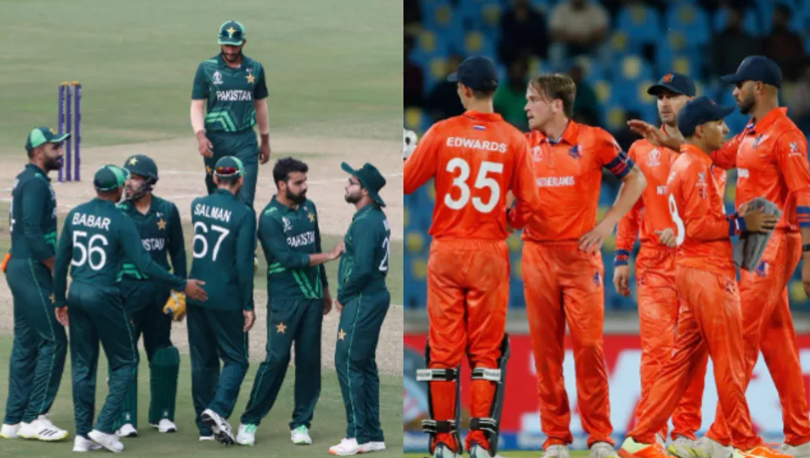
Cricket has often produced fascinating contests between established international powers and ambitious emerging nations, creating stories that extend far beyond the final score. The meetings between Pakistan and the Netherlands offer a unique example of this dynamic, blending experience, skill, and determination on the global stage. Across various ICC tournaments and international fixtures, these encounters have showcased memorable batting performances, disciplined bowling displays, and important learning moments for both sides. While results have frequently favored the more experienced team, every match has contributed to a growing competitive history. The statistics, scorecards, and key moments from these games reveal a journey filled with ambition, development, and unforgettable cricketing memories.
Recent Matches Table
| Match Date | Format | Venue | Winner | Margin | Pakistan Score | Netherlands Score |
| 7 Feb 2026 | T20I | Colombo | Pakistan | 3 wickets | 148/7 | 147 |
| 6 Oct 2023 | ODI | Hyderabad | Pakistan | 81 runs | 286 | 205 |
| 30 Oct 2022 | T20I | Perth | Pakistan | 6 wickets | 95/4 | 91/9 |
| 21 Aug 2022 | ODI | Rotterdam | Pakistan | 9 runs | 206 | 197 |
| 18 Aug 2022 | ODI | Rotterdam | Pakistan | 9 wickets | 191/1 | 186 |
| 16 Aug 2022 | ODI | Rotterdam | Pakistan | 16 runs | 314/6 | 298 |
| 9 Jun 2009 | T20I | London | Pakistan | 82 runs | 175/5 | 93 |
Team Statistics Summary Table
| Format | Played | Pakistan Won | Netherlands Won | Tied | No Result | Win Percentage |
| ODI Matches | 7 | 7 | 0 | 0 | 0 | 100% |
| T20I Matches | 3 | 3 | 0 | 0 | 0 | 100% |
| Overall International | 10 | 10 | 0 | 0 | 0 | 100% |
| ICC World Cup Tournaments | 5 | 5 | 0 | 0 | 0 | 100% |
| Bilateral Matches | 3 | 3 | 0 | 0 | 0 | 100% |
| Matches in Europe | 3 | 3 | 0 | 0 | 0 | 100% |
| Matches in Asia/Other | 7 | 7 | 0 | 0 | 0 | 100% |
Individual Batting Records Table
| Player Name | Team | Matches | Innings | Total Runs | Highest Score | Batting Average |
| Fakhar Zaman | Pakistan | 4 | 4 | 215 | 109 | 53.75 |
| Babar Azam | Pakistan | 5 | 5 | 182 | 74 | 36.40 |
| Vikramjit Singh | Netherlands | 4 | 4 | 167 | 65 | 41.75 |
| Tom Cooper | Netherlands | 4 | 4 | 163 | 62 | 40.75 |
| Bas de Leede | Netherlands | 5 | 5 | 158 | 89 | 31.60 |
| Mohammad Rizwan | Pakistan | 5 | 5 | 151 | 69 | 37.75 |
| Scott Edwards | Netherlands | 5 | 5 | 142 | 71 | 35.50 |
Individual Bowling Records Table
| Player Name | Team | Matches | Overs Bowled | Wickets Taken | Bowling Average | Best Figures |
| Haris Rauf | Pakistan | 4 | 31.2 | 11 | 14.36 | 3/16 |
| Bas de Leede | Netherlands | 5 | 34.0 | 10 | 21.10 | 4/62 |
| Mohammad Nawaz | Pakistan | 5 | 36.0 | 8 | 19.50 | 3/42 |
| Shadab Khan | Pakistan | 4 | 30.0 | 7 | 18.14 | 3/22 |
| Naseem Shah | Pakistan | 3 | 25.0 | 7 | 15.85 | 5/33 |
| Logan van Beek | Netherlands | 4 | 33.0 | 5 | 42.20 | 2/44 |
| Shaheen Shah Afridi | Pakistan | 2 | 17.0 | 4 | 18.50 | 2/31 |
When Two Cricketing Worlds First Crossed Paths
The earliest meetings between these sides brought together two teams from very different cricketing backgrounds. One entered the contest with decades of international experience and a history of producing world class players, while the other arrived eager to prove that associate nations could compete on major stages. Their first encounters created curiosity among fans and analysts who wanted to see how a developing side would respond against elite opposition. Every over offered a learning opportunity, and every partnership revealed the gap as well as the potential for growth. These matches established the foundation of future meetings and helped shape expectations whenever the teams faced each other. The contests also highlighted the importance of discipline, adaptability, and confidence under pressure. Although results often favored the stronger side, the competitive spirit shown on the field ensured that every encounter contributed something meaningful to the developing story between the two nations.
| Early Meeting | Tournament Stage | Match Result | Standout Area | Lasting Impact |
| First Clash | Group Stage | Competitive Result | Batting Depth | Rivalry Begins |
| Early Era | ICC Event | Strong Display | Bowling Control | Experience Gained |
| Growth Phase | Major Tournament | Balanced Contest | Fielding Effort | Confidence Boost |
| Development Period | International Match | Learning Outcome | Tactical Awareness | Future Progress |
The Opening Chapter That Set the Tone
The opening chapter of this cricketing journey quickly demonstrated the importance of preparation and execution. The stronger side relied on experienced players to control key phases of the game, while the emerging team focused on discipline and patience. Early wickets often influenced momentum and allowed captains to implement aggressive field placements. Batters were required to adapt quickly to conditions, and bowlers looked to exploit every weakness. The matches revealed valuable lessons about handling pressure in international tournaments. Even when scoreboards suggested a one sided contest, several passages of play remained highly competitive. Individual brilliance frequently changed the direction of innings and highlighted the importance of decision making during crucial moments. These early contests became reference points for future encounters and helped define how both teams approached each other in later years.
| Match Situation | Key Factor | Performance Area | Outcome Effect | Takeaway |
| Powerplay | New Ball Success | Bowling | Early Advantage | Momentum Gain |
| Middle Overs | Rotation Strike | Batting | Stability | Better Control |
| Partnership Phase | Consistency | Teamwork | Recovery | Confidence |
| Closing Overs | Finishing Skills | Execution | Strong Finish | Match Influence |
Learning Through Defeat and Growth
Growth often emerges from difficult experiences, and these contests provided exactly that. Facing a stronger opponent exposed weaknesses while also revealing areas where improvement was possible. Players gained exposure to higher standards of competition, helping them understand the demands of international cricket. Batters learned the value of patience against quality bowling attacks, while bowlers discovered the importance of maintaining discipline across long spells. Coaches and support staff used these experiences to refine strategies and improve preparation. Over time, the developing side became more competitive and showed greater confidence when facing established teams. The learning process was gradual, but each contest contributed valuable knowledge that helped players evolve. Progress was measured not only through results but also through improved performances in pressure situations.
| Development Area | Initial Challenge | Improvement Seen | Team Benefit | Long Term Value |
| Batting | Consistency | Better Partnerships | Stability | Growth |
| Bowling | Accuracy | Improved Control | Pressure Creation | Experience |
| Fielding | Sharp Chances | Better Efficiency | Extra Support | Confidence |
| Strategy | Match Awareness | Smarter Decisions | Balance | Progress |
World Cup Pressure and Global Attention
Major tournaments brought greater visibility and significantly higher expectations. Matches played on global stages attracted widespread attention from supporters, media outlets, and cricket experts. Every run and wicket carried added importance because tournament standings often depended on these results. Players had to balance excitement with responsibility while performing under intense scrutiny. Captains faced tactical challenges involving field placements, bowling changes, and batting order decisions. Spectators closely followed individual performances, searching for moments that could alter the course of a match. High pressure environments often produce memorable cricket, and these encounters were no exception. The atmosphere surrounding global tournaments elevated the significance of every contest and ensured that performances remained part of cricket discussions long after the final ball was delivered.
| Tournament Stage | Pressure Level | Key Focus | Match Influence | Audience Interest |
| Group Match | High | Early Momentum | Important Result | Strong |
| Major Event | Intense | Tactical Plans | Qualification Race | Global |
| Competitive Fixture | Significant | Consistency | Team Confidence | Growing |
| International Stage | Maximum | Execution | Final Outcome | Widespread |
Batting Heroes Who Owned the Rivalry
Several batters played defining roles across different encounters by producing innings that combined skill, patience, and attacking intent. Some built strong foundations through careful shot selection, while others accelerated scoring rates when conditions demanded aggression. Partnerships often became the difference between average totals and match winning scores. Successful batters displayed adaptability, reading conditions effectively and responding to bowling strategies with confidence. Their performances inspired teammates and frequently shifted momentum in crucial phases. Fans remember these innings because they arrived during important moments and demonstrated the value of composure under pressure. Whether through powerful stroke play or calculated accumulation, batting excellence remained a major feature of many contests.
| Batting Element | Contribution | Match Effect | Team Advantage | Legacy |
| Opening Stand | Strong Start | Momentum | Stability | Memorable |
| Middle Order | Recovery Role | Balance | Control | Valuable |
| Finisher Impact | Quick Runs | Strong Finish | Pressure Relief | Influential |
| Key Partnership | Shared Success | Match Turning Point | Confidence | Lasting |
Bowlers Who Changed the Course of Matches
Bowling performances frequently shaped outcomes by creating pressure and forcing mistakes. Fast bowlers used pace and movement to challenge top order batters, while spinners relied on variation and accuracy. Successful spells often arrived during crucial moments when teams needed breakthroughs. Captains depended heavily on bowlers to execute plans and maintain control during scoring phases. A single wicket frequently altered momentum and opened opportunities for further success. Consistency remained essential because even brief lapses could allow opponents to regain control. Across multiple encounters, bowlers demonstrated their ability to influence results and reinforce the importance of disciplined execution.
| Bowling Phase | Primary Objective | Key Strength | Result Impact | Match Value |
| New Ball | Early Wickets | Movement | Advantage | Significant |
| Middle Overs | Control Rate | Accuracy | Pressure | Crucial |
| Spin Spell | Break Partnership | Variation | Momentum Shift | Valuable |
| Death Overs | Restrict Runs | Execution | Strong Finish | Decisive |
Moments That Nearly Changed History
Not every memorable moment resulted in victory. Some of the most fascinating passages occurred when underdogs pushed strongly favored opponents into uncomfortable situations. Close partnerships, unexpected bowling spells, and periods of sustained pressure occasionally threatened to change established expectations. These moments generated excitement among supporters and demonstrated the unpredictable nature of cricket. Even when final results remained unchanged, competitive performances earned respect and highlighted growing confidence. Such occasions are often remembered because they showed how determination and belief can challenge conventional predictions. They also added depth to the narrative and ensured that every encounter contributed something unique to the broader story.
| Defining Moment | Situation | Response | Outcome | Memory |
| Pressure Spell | Tight Contest | Resilience | Competitive Finish | Notable |
| Strong Partnership | Recovery Phase | Positive Approach | Momentum Gain | Memorable |
| Bowling Burst | Key Breakthrough | Tactical Success | Match Shift | Important |
| Final Overs Drama | Close Scenario | Composure | Lasting Impact | Historic |
Conclusion
The cricketing journey between Pakistan and the Netherlands reflects more than a simple head to head record. It highlights the meeting of two teams with different histories, goals, and levels of experience, yet united by the same competitive spirit. Through major tournaments and international contests, players from both sides have delivered performances that shaped memorable scorecards and lasting moments. Batting brilliance, decisive bowling spells, and tactical decisions have all played important roles in defining these encounters. As the Netherlands continues to grow and Pakistan maintains its strong cricketing tradition, future meetings promise new chapters in this evolving story. The numbers tell one part of the tale, but the determination and effort displayed on the field complete the picture.
Faq?
Q1. How many times have Pakistan and the Netherlands faced each other in international cricket?
They have met in multiple ICC tournaments and international matches, with most encounters taking place in ODI competitions and global events.
Q2. Which team has been more successful in this head to head record?
Pakistan has generally dominated the results due to its greater international experience, stronger squad depth, and consistent performances.
Q3. What are some memorable moments from these encounters?
Several matches featured impressive batting displays, crucial bowling spells, important partnerships, and competitive phases that kept fans engaged.
Q4. Why are these matches important for the Netherlands?
These contests provide valuable experience against top level opposition, helping players improve their skills and adapt to international cricket standards.
Q5. What makes this cricket rivalry interesting?
The contrast between an established cricket powerhouse and a developing international side creates an intriguing story of competition, growth, and learning on the global stage.