Table of Contents
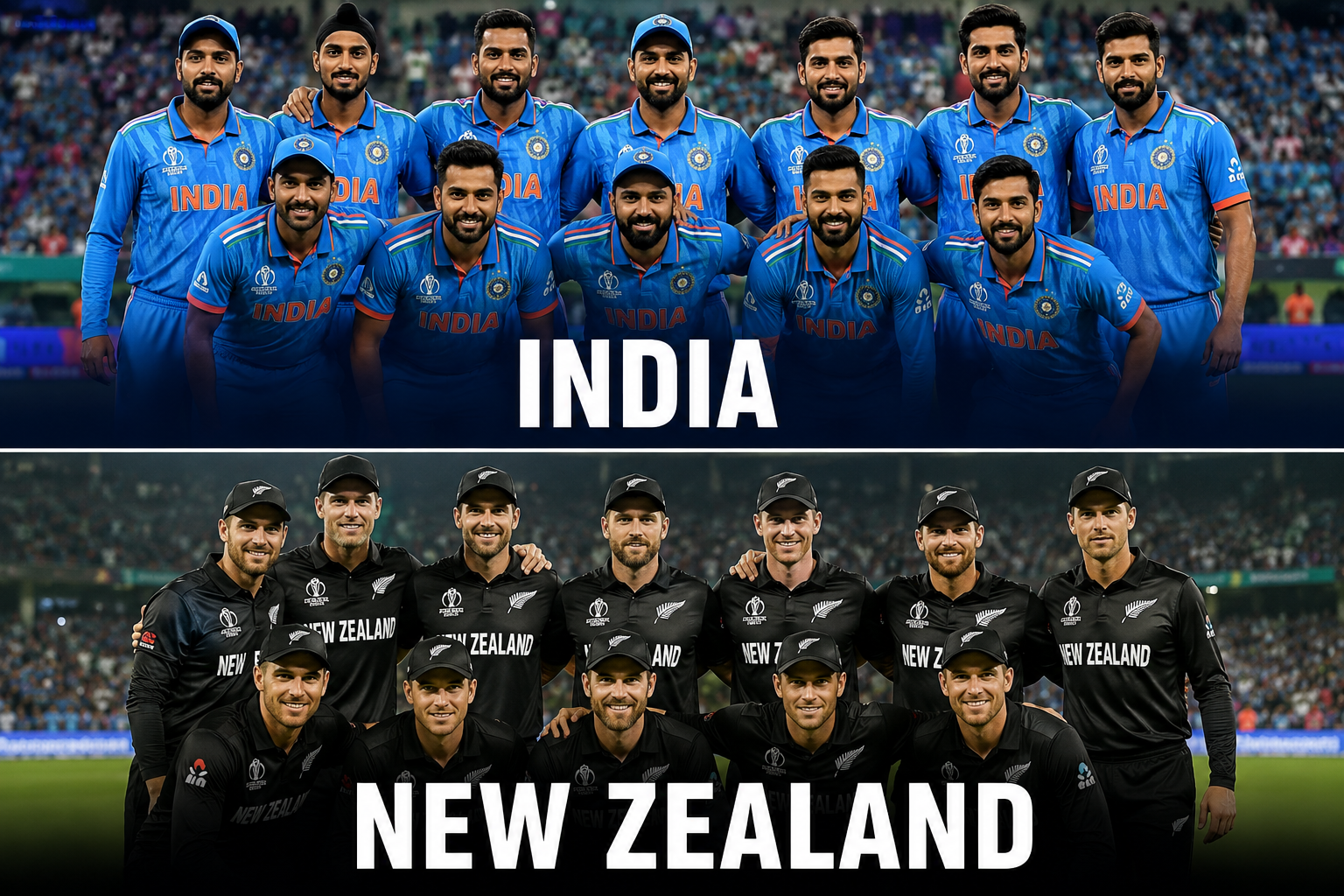
The rivalry between India and New Zealand has produced some of the most memorable moments in international cricket. While it may not always receive the same attention as other major rivalries, it has consistently delivered high-quality contests across Tests, One Day Internationals, and T20 Internationals. From historic early encounters to dramatic World Cup clashes, both teams have showcased exceptional talent, tactical brilliance, and remarkable resilience. Generations of players have contributed unforgettable performances that shaped the competitive balance between these cricketing nations. This rivalry continues to evolve, creating exciting chapters that captivate fans around the world.
Recent Matches Table
| Match | Date | Format | Venue | Winner | Margin | Player of the Match |
|---|---|---|---|---|---|---|
| T20 World Cup Final | 08 March 2026 | T20I | Ahmedabad | India | 96 runs | Jasprit Bumrah |
| 4th T20I Bilateral | 28 January 2026 | T20I | Visakhapatnam | New Zealand | 50 runs | Glenn Phillips |
| 3rd T20I Bilateral | 25 January 2026 | T20I | Guwahati | India | 8 wickets | Abhishek Sharma |
| 2nd T20I Bilateral | 23 January 2026 | T20I | Raipur | India | 7 wickets | Suryakumar Yadav |
| 1st T20I Bilateral | 21 January 2026 | T20I | Nagpur | India | 48 runs | Hardik Pandya |
| 3rd ODI Bilateral | 18 January 2026 | ODI | Indore | New Zealand | 41 runs | Mitchell Santner |
Team Statistics Summary Table
| Team | Matches | Won | Lost | Tied | No Result | Win Percentage |
|---|---|---|---|---|---|---|
| India | 6 | 4 | 2 | 0 | 0 | 66.66 |
| New Zealand | 6 | 2 | 4 | 0 | 0 | 33.33 |
| Combined Total | 6 | 6 | 6 | 0 | 0 | 100.00 |
Individual Batting Records Table
| Batter | Matches | Innings | Runs | Highest Score | Strike Rate | Average |
|---|---|---|---|---|---|---|
| Sanju Samson | 6 | 6 | 245 | 89 | 172.53 | 49.00 |
| Ishan Kishan | 6 | 6 | 198 | 54 | 158.40 | 33.00 |
| Tim Seifert | 6 | 6 | 182 | 52 | 165.45 | 30.33 |
| Mitchell Santner | 6 | 5 | 154 | 43 | 128.33 | 38.50 |
| Abhishek Sharma | 6 | 6 | 148 | 52 | 192.20 | 24.66 |
| Suryakumar Yadav | 6 | 6 | 132 | 45 | 145.05 | 22.00 |
Individual Bowling Records Table
| Bowler | Matches | Overs | Wickets | Best Bowling | Economy | Average |
|---|---|---|---|---|---|---|
| Jasprit Bumrah | 6 | 24 | 11 | 4/15 | 5.25 | 11.45 |
| Axar Patel | 6 | 22 | 8 | 3/27 | 6.81 | 18.75 |
| James Neesham | 6 | 18 | 7 | 3/46 | 8.50 | 21.85 |
| Mitchell Santner | 6 | 24 | 6 | 2/31 | 7.12 | 28.49 |
| Arshdeep Singh | 6 | 23 | 5 | 2/28 | 7.95 | 36.57 |
| Varun Chakaravarthy | 4 | 14 | 4 | 2/25 | 8.10 | 28.35 |
When Two Cricketing Cultures First Crossed Paths
The rivalry began when two cricketing nations with completely different identities met on the international stage. One side relied on patience, technical batting, and spin-friendly conditions, while the other built its reputation around discipline, seam bowling, and resilience. Their earliest encounters were not surrounded by huge media attention, but they quietly laid the foundation for a competitive relationship. Players from both camps were still learning how to adapt to unfamiliar conditions and styles of play. Early matches often moved slowly, yet they revealed important strengths and weaknesses that would shape future contests. Touring sides faced long journeys and difficult playing environments, making every victory significant. As the years passed, both teams developed mutual respect through hard-fought contests rather than heated confrontations. These meetings created a unique rivalry based on tactical battles and consistent competition. While other cricket rivalries were driven by history or politics, this one grew through sporting excellence and determination. The first chapter of this journey established a competitive spirit that would continue across generations.
| Early Era | Main Feature | Playing Style | Key Challenge |
| 1950s | First meetings | Defensive cricket | Unfamiliar conditions |
| Home Series | Local advantage | Patient batting | Pitch adaptation |
| Away Tours | Travel demands | Disciplined bowling | Overseas pressure |
| Emerging Talent | Team development | Balanced approach | Consistency |
| Rivalry Growth | Mutual respect | Tactical contests | Long-term success |
Learning to Compete: The First Decade of Encounters
The opening decade of competition was a learning process for both sides. International cricket was expanding, and every series offered valuable lessons about preparation and adaptability. Batters learned to counter different bowling attacks, while bowlers searched for ways to exploit unfamiliar pitches. Many contests were closely fought, even when scorecards suggested otherwise. Individual performances often determined outcomes because teams were still building depth in their squads. Touring teams found that local knowledge could become a decisive advantage. Captains focused heavily on patience and strategic planning, understanding that momentum could change slowly over several days. Fans who followed these matches witnessed the gradual emergence of a genuine sporting rivalry. The results fluctuated regularly, preventing either side from establishing complete dominance. This period also introduced several players whose performances helped shape future generations. Although the rivalry was still developing, every contest added another layer to the growing competitive relationship. Those early years proved that neither side could underestimate the other.
| Decade | Major Theme | Batting Trend | Bowling Trend |
| Early Years | Learning phase | Defensive play | Accuracy first |
| Home Matches | Familiarity | Longer innings | Better control |
| Away Matches | Adaptation | Cautious starts | Seam movement |
| Captains | Tactical focus | Risk management | Field placement |
| Outcome | Competitive balance | Steady scoring | Consistent pressure |
Spin Against Swing: A Battle of Contrasting Styles
One of the most fascinating aspects of this rivalry has always been the contrast in playing styles. Conditions often influenced tactics, creating contests where spin bowlers and seam bowlers fought for control. In subcontinental conditions, slow bowlers frequently dictated the tempo of matches, forcing visiting batters to show patience and technique. In seam-friendly environments, fast bowlers exploited movement and bounce to challenge even the most accomplished players. Captains designed their strategies around these strengths, selecting squads capable of maximizing local conditions. Batters had to constantly adjust their approach depending on the venue. Some focused on survival, while others looked for scoring opportunities before conditions became difficult. These stylistic differences produced memorable battles that extended beyond simple statistics. Every series became a test of adaptability and cricket intelligence. Teams that adjusted quickest often gained the upper hand. Over time, both sides improved their ability to compete in foreign conditions, making the rivalry even more balanced and unpredictable.
| Condition | Bowling Strength | Batting Response | Match Impact |
| Dry Pitches | Spin attack | Footwork skills | Lower scoring |
| Green Surfaces | Seam bowling | Defensive technique | Early wickets |
| Neutral Venues | Balanced attack | Flexible strategy | Close contests |
| Day Matches | Consistent pace | Controlled aggression | Tactical battles |
| Long Series | Squad depth | Mental strength | Momentum shifts |
The Gavaskar and Hadlee Era Changes Everything
The rivalry reached a new level when world-class performers emerged on both sides. Elite players brought greater attention to every contest and transformed ordinary matches into major events. Batting excellence and bowling brilliance frequently shaped outcomes during this period. Individual battles became central talking points among supporters and cricket experts. Spectators eagerly followed contests involving leading stars because they often influenced the direction of an entire series. Teams became more competitive, preparation improved, and tactical planning grew increasingly sophisticated. Captains recognized that even a brief lapse in concentration could decide a match. Several closely fought encounters demonstrated the importance of experience and composure under pressure. This era also strengthened the rivalry’s reputation internationally, attracting greater interest from cricket followers around the world. The quality of performances improved significantly, and both sides produced memorable displays that remain part of cricket history. Many fans still regard this period as one of the most influential chapters in the rivalry.
| Era Feature | Impact | Team Benefit | Legacy |
| Star Players | Higher standards | Match influence | Lasting memories |
| Tactical Growth | Better planning | Improved results | Strategic evolution |
| Competitive Series | Greater excitement | Fan engagement | Strong rivalry |
| Elite Performances | Record achievements | Team confidence | Historic moments |
| Global Attention | Wider audience | International respect | Enhanced reputation |
World Cup Meetings Raise the Stakes
Tournament cricket introduced a completely different level of pressure. Unlike bilateral series, World Cup matches offered limited opportunities to recover from mistakes. Every run, wicket, and decision carried enormous significance. Players faced intense scrutiny from fans and media, while captains had to make crucial tactical choices under pressure. The atmosphere surrounding these contests became far more emotional than regular series encounters. Spectators understood that tournament defeats could end championship dreams instantly. Several World Cup clashes produced unforgettable moments, including dramatic partnerships, match-winning spells, and tense finishes. These encounters helped transform the rivalry into a major global attraction. Performances in knockout stages became particularly significant because they shaped public perception for years. Players who excelled under these circumstances earned lasting admiration. Tournament meetings also created emotional memories for supporters, many of whom still remember exactly where they were when decisive moments unfolded. World Cup cricket elevated the rivalry and added a new dimension to its history.
| Tournament Stage | Pressure Level | Key Focus | Importance |
| Group Stage | High | Early momentum | Qualification |
| Knockout Match | Very High | Execution | Survival |
| Semi Final | Extreme | Composure | Final berth |
| Final Stages | Maximum | Leadership | Trophy pursuit |
| Fan Interest | Global | Emotional support | Lasting memories |
The 1990s: New Heroes, New Tensions
The 1990s introduced a fresh generation of players who brought new energy to the rivalry. Aggressive batting became more common, fielding standards improved, and tactical flexibility increased. Teams were no longer satisfied with merely competing; they wanted to dominate key moments. Emerging stars attracted significant attention and inspired passionate support from fans. Every series seemed to produce a new hero capable of changing the outcome of a match. The rivalry became more dynamic as limited-overs cricket gained popularity. Captains experimented with innovative tactics and sought ways to gain small advantages. Close finishes became increasingly common, adding excitement for spectators. Media coverage expanded dramatically during this period, ensuring that standout performances reached a wider audience. Players embraced the challenge of facing quality opposition and often delivered memorable displays under pressure. By the end of the decade, the rivalry had evolved into one of the most respected and competitive contests in international cricket.
| 1990s Feature | Development | Team Effect | Fan Impact |
| New Players | Fresh talent | Better balance | Increased interest |
| ODI Growth | Faster cricket | Tactical changes | More excitement |
| Improved Fielding | Higher standards | Extra pressure | Entertainment |
| Close Matches | Competitive balance | Confidence boost | Emotional investment |
| Media Expansion | Wider coverage | Greater visibility | Global audience |
The Sourav Ganguly Era and Growing Confidence
This period marked a significant shift in attitude and ambition. Teams entered contests with greater belief and a stronger desire to dictate terms rather than simply react. Leadership became a defining factor as captains encouraged aggressive cricket and backed young players to perform on the biggest stages. Batting lineups grew stronger, while bowling units became more versatile. Tactical awareness improved considerably, allowing teams to respond quickly to changing match situations. Supporters embraced this fearless approach, creating an energetic atmosphere around every series. Important victories during this era strengthened confidence and helped shape future success. Players displayed greater intensity in the field and looked for opportunities to seize momentum whenever possible. The rivalry became known for its competitiveness and high-quality performances rather than one-sided results. Every encounter carried significance because both teams believed they could win regardless of venue or conditions. This confidence helped elevate the rivalry into a consistently compelling contest for cricket fans worldwide.
| Key Aspect | Change Observed | Strategic Value | Result |
| Leadership | Strong direction | Team unity | Better performances |
| Batting Depth | More options | Run scoring | Consistency |
| Bowling Variety | Flexible attacks | Match control | Key breakthroughs |
| Team Belief | Higher confidence | Positive mindset | Competitive edge |
| Fan Support | Greater passion | Motivation | Memorable atmosphere |
Conclusion
Over the decades, contests between these two cricketing nations have grown into a respected and fiercely competitive rivalry. Every era has produced iconic performances, memorable victories, and defining moments that remain etched in cricket history. From patient Test battles to high-pressure World Cup encounters and thrilling T20 contests, both sides have repeatedly demonstrated their ability to perform on the biggest stages. The rivalry stands as a testament to skill, discipline, and sporting excellence. As new generations of players emerge, supporters can expect many more unforgettable matches that will continue to enrich this remarkable cricketing journey.
FAQs
What makes this cricket rivalry unique?
This rivalry is known for its competitive balance, tactical battles, and memorable performances across all formats of international cricket.
Which tournament matches are considered the most significant?
World Cup and ICC tournament encounters are often regarded as the most significant because of their high stakes and global attention.
Which format has produced the most memorable contests?
All three formats have delivered memorable matches, but World Cup ODIs and closely fought Test series are often highlighted by fans.
How have playing styles influenced the rivalry?
One team has traditionally relied on spin-friendly conditions, while the other has often benefited from seam and swing bowling, creating fascinating tactical contests.
Why do fans closely follow these encounters?
Fans enjoy the unpredictability, competitive spirit, and history of close matches that have consistently produced dramatic moments and standout individual performances.
| Read Also: |