Table of Contents
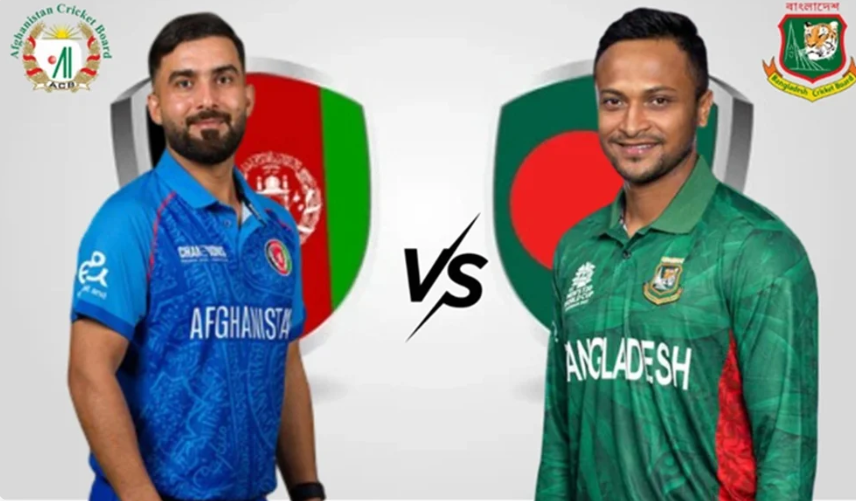
The competitive journey between these two sides has grown into a fascinating modern cricket contest shaped by shifting momentum, rising confidence, and evolving strategies. What began as uneven encounters gradually transformed into closely fought battles where every run, wicket, and decision carried weight. Both teams developed unique identities, one relying on structure and experience while the other embraced aggression and fearless intent. Over time, their meetings became more than just fixtures, turning into pressure-filled contests that tested temperament and adaptability. Fans from both nations added intensity to every clash, making each game feel like a high-stakes chapter in a growing cricket rivalry filled with drama and unpredictability.
Recent Matches Table
| Match | Date | Format | Venue | Winner | Margin |
|---|---|---|---|---|---|
| 1st T20I | 02 October 2025 | T20I | Sharjah | Bangladesh | 4 wickets |
| 2nd T20I | 03 October 2025 | T20I | Sharjah | Bangladesh | 2 wickets |
| 3rd T20I | 05 October 2025 | T20I | Sharjah | Bangladesh | 6 wickets |
| 1st ODI | 08 October 2025 | ODI | Abu Dhabi | Afghanistan | 5 wickets |
| 2nd ODI | 11 October 2025 | ODI | Abu Dhabi | Afghanistan | 81 runs |
| 3rd ODI | 14 October 2025 | ODI | Abu Dhabi | Afghanistan | 200 runs |
Head-to-Head Summary Table
| Format | Matches Played | Bangladesh Wins | Afghanistan Wins | No Result / Draw | Bangladesh Win % |
|---|---|---|---|---|---|
| ODI | 19 | 11 | 8 | 0 | 57.89 |
| T20I | 16 | 9 | 7 | 0 | 56.25 |
| Test | 2 | 1 | 1 | 0 | 50.00 |
| Overall | 37 | 21 | 16 | 0 | 56.76 |
Individual Batting Records Table
| Player | Team | Matches | Innings | Runs | Highest Score | Average |
|---|---|---|---|---|---|---|
| Ibrahim Zadran | Afghanistan | 3 | 3 | 213 | 100 | 71.00 |
| Saif Hassan | Bangladesh | 3 | 3 | 91 | 45 | 30.33 |
| Jaker Ali | Bangladesh | 6 | 5 | 88 | 34 | 22.00 |
| Rahmanullah Gurbaz | Afghanistan | 5 | 5 | 85 | 52 | 17.00 |
| Towhid Hridoy | Bangladesh | 6 | 6 | 82 | 29 | 13.66 |
| Mohammad Nabi | Afghanistan | 6 | 5 | 78 | 41 | 19.50 |
Individual Bowling Records Table
| Player | Team | Matches | Overs | Wickets | Best Bowling | Economy Rate |
|---|---|---|---|---|---|---|
| Rashid Khan | Afghanistan | 6 | 42.0 | 11 | 4/28 | 4.15 |
| Mehidy Hasan Miraz | Bangladesh | 6 | 38.0 | 5 | 2/31 | 4.45 |
| Tanzim Hasan Sakib | Bangladesh | 4 | 29.0 | 5 | 3/40 | 5.10 |
| Bilal Sami | Afghanistan | 2 | 18.0 | 5 | 5/21 | 3.88 |
| Mustafizur Rahman | Bangladesh | 5 | 31.0 | 4 | 2/24 | 4.90 |
| Nangeyalia Kharote | Afghanistan | 4 | 24.0 | 4 | 2/18 | 4.25 |
Early Encounters and First Competitive Meetings
The first meetings between the two sides carried a sense of curiosity rather than rivalry. One team entered with a longer international history, while the other arrived with raw energy and ambition. Early matches were shaped by cautious batting approaches, where building partnerships mattered more than aggressive scoring. Bowlers from both sides focused on discipline, trying to understand pitch behavior and opposition weaknesses. In these opening clashes, experience often guided the stronger side, especially during pressure phases. However, the newer team quickly showed that they were not intimidated, responding with sharp fielding and fearless intent in key moments. Fans witnessed a gradual shift in competitiveness as each encounter became closer than the last. What started as one-sided expectations slowly turned into balanced contests, laying the foundation for a modern cricket rivalry built on respect, intensity, and rising confidence from both camps over time.
| Match Type | Venue Condition | First Innings Avg Score | Winning Side Pattern | Key Factor |
| ODI | Slow pitches | 240–260 | Experienced side | Batting depth |
| T20 | Balanced | 150–170 | Chasing advantage | Death overs |
| ODI | Turning tracks | 220–240 | Spin dominant teams | Middle overs |
| T20 | Flat pitches | 170–190 | Power hitters | Powerplay start |
Building Competitive Pressure Across Series
As more matches were played, the pressure between the two sides increased noticeably. Neither team wanted to give an inch, and every series began to feel more important than the last. Momentum swings became common, with one strong batting performance quickly answered by disciplined bowling spells. Captains started experimenting with field placements and bowling rotations, trying to outthink each other in crucial phases. The psychological battle became just as important as the on-field contest. Players who performed well in earlier matches often became targets in the next encounter. Crowd energy also intensified this pressure, especially in tightly contested games where small mistakes changed the outcome. Both sides learned to handle expectations differently, and this evolving mental challenge added depth to the rivalry. What once felt like a developing contest slowly transformed into a high-stakes battle where every run and every wicket carried significant weight.
| Series Stage | Pressure Level | Avg Margin | Key Turning Phase | Dominant Skill |
| Early | Low | 40+ runs | Batting control | Experience |
| Mid phase | Medium | 20–30 runs | Middle overs | Spin bowling |
| Later series | High | <15 runs | Death overs | Finishing |
| Tournament | Extreme | Last over | Pressure chase | Nerve control |
Tactical Identity and Strategic Approach
One side relied heavily on structured game plans built around stability and control. Their batting order focused on anchoring innings and reducing risks in early overs. Spin bowling played a central role, especially in conditions that favored slower turn and variation. Field settings were often conservative but precise, aiming to restrict boundaries and force errors. On the other hand, the opposing team brought a more aggressive identity, built on attacking intent and rapid scoring bursts. Their bowlers used variations effectively, especially in middle overs where wickets became the turning point. This contrast in strategy created fascinating matchups, as patience met aggression in nearly every phase of the game. Captains were constantly forced to adapt, sometimes abandoning plans mid-match due to unexpected momentum shifts. The tactical battle became a defining feature of their encounters, making each contest unpredictable and strategically rich.
| Strategy Area | Defensive Approach | Aggressive Approach | Impact Zone | Success Factor |
| Batting | Anchoring | Power hitting | Top order | Strike rate |
| Bowling | Containment | Wicket hunting | Middle overs | Variations |
| Fielding | Structured setup | Athletic pressure | Boundary | Reflex speed |
| Captaincy | Stable decisions | Risk-based moves | Overall | Adaptability |
Aggressive Rise and Fearless Cricket Philosophy
The rise of the more aggressive side changed the entire dynamic of the rivalry. Their approach was built on fearlessness, especially in high-pressure situations where many teams tend to slow down. Young players brought energy into the squad, often taking risks that shifted match momentum within a few overs. Bowlers complemented this approach with sharp pace changes and attacking lines, targeting weaknesses without hesitation. This aggressive mindset did not always guarantee victory, but it consistently kept matches alive until the final stages. The contrast against a more structured opponent made their clashes unpredictable and exciting. Fans quickly began to associate them with comeback performances and surprise victories. Over time, this fearless approach forced the other side to rethink their strategies, making the rivalry more balanced and competitive. The psychological edge of unpredictability became one of their strongest assets.
| Attribute | Aggressive Team Style | Traditional Team Style | Match Influence | Outcome Impact |
| Batting | High risk | Controlled | Momentum | Variable |
| Bowling | Attack focused | Defensive | Wickets | Balanced |
| Mindset | Fearless | Cautious | Pressure | Key factor |
| Execution | Fast paced | Structured | Game flow | Critical |
ODI Encounters and Defining Match Moments
One-day matches between the two sides often delivered the most balanced contests. The longer format allowed strategies to unfold slowly, making each phase crucial. Batting collapses and recovery partnerships became common themes, especially when spin bowlers dominated middle overs. Several matches swung dramatically in the final ten overs, where finishing ability determined the result. Chasing teams often felt pressure when required run rates climbed steadily, forcing risky shot selection. On the other hand, defending sides relied on tight bowling spells to maintain control. These ODI encounters highlighted the importance of temperament and decision-making under pressure. A single over sometimes changed the entire direction of a match, leaving fans stunned. Over time, these contests built a reputation for unpredictability, where no target felt completely safe and no chase felt impossible.
| ODI Factor | Strong Team Advantage | Weak Team Issue | Turning Moment | Key Skill |
| Batting | Top order stability | Middle collapse | Powerplay | Timing |
| Bowling | Spin control | Death overs leak | Final 10 overs | Accuracy |
| Fielding | Safe catching | Dropped chances | Pressure phase | Focus |
| Captaincy | Smart rotation | Delayed changes | Mid innings | Awareness |
T20 Battles and High-Intensity Finishes
Short-format matches brought the rivalry to its most explosive form. Every over carried significant importance, and momentum shifted rapidly between the two sides. Powerplays often decided the tone of the match, with aggressive batting or early wickets setting the stage. Middle overs became tactical battles where spinners slowed scoring and built pressure. The final overs frequently delivered dramatic finishes, with matches going down to the last few balls. Finishing ability stood out as a key difference, as one side often showed greater composure under pressure. These games were not just about skill but also about nerve and execution in critical moments. Fans experienced high emotional swings, as leads changed quickly and no target felt secure. T20 encounters turned the rivalry into a thrilling spectacle filled with unpredictability and excitement.
| Phase | Batting Strength | Bowling Strategy | Pressure Level | Match Result Factor |
| Powerplay | Aggressive starts | Early wickets | High | Momentum |
| Middle overs | Stabilization | Spin control | Medium | Balance |
| Death overs | Finishing shots | Yorker execution | Extreme | Outcome |
| Super overs | Calm execution | Precision bowling | Maximum | Winner |
Statistical Trends and Scorecard Patterns
Over time, match statistics revealed interesting patterns that defined the rivalry’s evolution. Average scores in one-day matches gradually increased as batting techniques improved and conditions became more favorable for scoring. T20 totals also rose, reflecting more aggressive intent from both sides. Bowling averages showed fluctuations depending on pitch conditions and venue characteristics. One side generally performed better in home conditions, while the other adapted more effectively in neutral venues. Partnerships played a crucial role in deciding outcomes, especially in matches where early wickets fell quickly. Fielding efficiency also influenced results, with dropped catches often changing match direction. Overall, the statistical comparison highlighted a balanced rivalry where small margins made a significant difference in final outcomes.
| Category | Average Score | Best Performance | Weak Phase | Key Insight |
| ODI | 240–260 | 300+ innings | Top order collapse | Consistency |
| T20 | 160–180 | 200+ innings | Death overs leak | Strike rate |
| Bowling | 4–5 economy | 5 wicket haul | Expensive spells | Control |
| Fielding | 85% success | Direct hits | Dropped catches | Sharpness |
Conclusion
This rivalry stands as a clear reflection of how modern cricket evolves through competition, belief, and adaptability. Each match added a new layer of intensity, showing how both sides learned from past mistakes and improved their tactical approach. The balance between structured play and aggressive execution created unpredictable outcomes that kept fans engaged throughout. From early mismatches to tightly contested finishes, the journey highlighted growth, resilience, and competitive spirit. Ultimately, this contest continues to shape standings and momentum in international cricket, proving that no match is ever straightforward when these two teams face each other on the field.
FAQ
1.What makes this rivalry competitive in modern cricket
The rivalry is competitive because both teams have contrasting playing styles, with one focusing on structure and the other on aggression, leading to unpredictable results.
2.Which team has shown more consistency over time
Both teams have shown phases of dominance, but consistency often depends on conditions, squad balance, and performance in key moments.
3.Why do matches between these teams often go close
Matches tend to be close due to similar skill levels in key departments like spin bowling, middle-order batting, and death overs execution.
4.How important are standings in this rivalry
Standings play a crucial role as they affect tournament qualification, rankings, and psychological advantage in future encounters.
5.What defines the turning point in most matches
Most turning points come from middle overs performance, sudden batting collapses, or impactful bowling spells under pressure.