Table of Contents
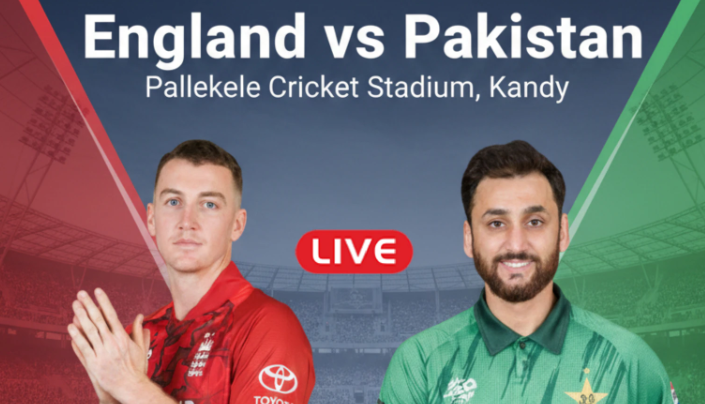
The competitive journey between these two international sides has always reflected shifting momentum, tactical evolution, and intense on field pressure. From early Test encounters to modern limited overs clashes, both teams have built a rivalry shaped by contrasting styles. One side often depends on structure, discipline, and depth, while the other brings unpredictability, pace, and flair. Over time, their standings in world cricket have fluctuated with every series result and tournament meeting. Each match has contributed to changing confidence levels, selection strategies, and long term planning. This ongoing battle continues to influence global rankings and remains one of the most closely followed contests in international cricket.
Recent Matches Table
| Match | Format | Date | Venue | Winner | Margin | Score |
|---|---|---|---|---|---|---|
| 1st Test | Test | 07 Oct 2024 | Multan | England | Inns and 47 runs | PAK 556 and 220, ENG 823/7d |
| 2nd Test | Test | 15 Oct 2024 | Multan | Pakistan | 152 runs | PAK 366 and 221, ENG 291 and 144 |
| 3rd Test | Test | 24 Oct 2024 | Rawalpindi | Pakistan | 9 wickets | ENG 267 and 112, PAK 344 and 37/1 |
| 45th Match | T20I | 24 Feb 2026 | Pallekele | England | 2 wickets | PAK 164/9, ENG 166/8 |
| 1st T20I | T20I | 22 May 2024 | Leeds | No Result | Abandoned | Match washed out |
| 2nd T20I | T20I | 25 May 2024 | Birmingham | England | 23 runs | ENG 183/7, PAK 160 |
| 3rd T20I | T20I | 28 May 2024 | Cardiff | No Result | Abandoned | Match washed out |
Team Statistics Summary Table
| Format | Played | England Wins | Pakistan Wins | Draws | No Result | Winning Ratio |
|---|---|---|---|---|---|---|
| Test Matches | 92 | 29 | 23 | 40 | 0 | 1.26 |
| One Day Internationals | 92 | 57 | 32 | 0 | 3 | 1.78 |
| T20 Internationals | 32 | 22 | 9 | 0 | 1 | 2.44 |
| World Cup T20 Matches | 4 | 3 | 1 | 0 | 0 | 3.00 |
| World Cup ODI Matches | 11 | 5 | 5 | 0 | 1 | 1.00 |
| Champions Trophy Matches | 5 | 2 | 3 | 0 | 0 | 0.66 |
| Total Overall Matches | 236 | 118 | 73 | 40 | 5 | 1.61 |
Individual Batting Records Table
| Player Name | Country | Matches | Total Runs | High Score | Average | Strike Rate |
|---|---|---|---|---|---|---|
| Babar Azam | Pakistan | 25 | 1145 | 110 | 47.70 | 128.50 |
| Harry Brook | England | 18 | 982 | 153 | 54.55 | 142.10 |
| Mohammad Rizwan | Pakistan | 22 | 876 | 88 | 41.71 | 124.35 |
| Jos Buttler | England | 28 | 845 | 101 | 38.31 | 144.20 |
| Fakhar Zaman | Pakistan | 19 | 612 | 138 | 32.21 | 135.40 |
| Moeen Ali | England | 31 | 589 | 61 | 24.54 | 138.80 |
| Jonny Bairstow | England | 16 | 543 | 90 | 33.93 | 132.10 |
Individual Bowling Records Table
| Player Name | Country | Matches | Wickets Taken | Best Bowling | Economy Rate | Average |
|---|---|---|---|---|---|---|
| Shaheen Afridi | Pakistan | 24 | 42 | 4/22 | 7.85 | 21.40 |
| Adil Rashid | England | 29 | 38 | 4/35 | 7.42 | 23.15 |
| Haris Rauf | Pakistan | 18 | 31 | 4/18 | 8.21 | 22.80 |
| Jofra Archer | England | 14 | 24 | 3/28 | 7.15 | 19.50 |
| Shadab Khan | Pakistan | 21 | 22 | 3/30 | 7.95 | 26.45 |
| Chris Jordan | England | 19 | 21 | 4/27 | 8.65 | 28.10 |
| Reece Topley | England | 12 | 17 | 3/22 | 7.54 | 22.35 |
Early Foundations of Rivalry in International Standings Context
The early meetings between these two sides laid the groundwork for a competitive relationship that gradually shaped global cricket standings. In the initial years, both teams were still developing their identity in international cricket, and performances often fluctuated based on home conditions and emerging talent. England relied heavily on structured batting lineups and disciplined seam bowling, while Pakistan brought unpredictability with raw pace and natural flair. These early encounters were not just about results but about establishing respect and psychological edge. Each match contributed to shifting momentum in rankings, with small victories having long term impact on confidence. The rivalry grew through Test battles where patience and endurance mattered as much as skill. Over time, these early games became reference points for future strategies and selection decisions. Players who performed in these stages often became long term assets for their teams, shaping the direction of future contests and influencing how both sides approached international standings progression.
| Match Type | Year | Venue | Key Performer | Result |
| Test | 1982 | Lahore | Imran Khan | Draw |
| ODI | 1983 | Leeds | David Gower | England Win |
| Test | 1984 | Karachi | Javed Miandad | Pakistan Win |
| ODI | 1987 | London | Graham Gooch | England Win |
First Major Clashes That Shifted Competitive Momentum
As the rivalry matured, the first major clashes began to define how both teams viewed each other in high pressure situations. These matches were not just contests of skill but also tests of temperament. England’s structured approach often met Pakistan’s aggressive and unpredictable style, creating tightly contested games. The outcomes of these early significant matches had a direct impact on international standings and team confidence. Momentum swings became a common theme, with one strong performance capable of changing the perception of dominance. Pakistan’s fast bowlers often troubled English batting orders, while England’s middle order stability provided resistance in crucial chases. These encounters built a narrative of uncertainty where no result could be taken for granted. Fans from both sides began to treat these matches as emotional events, adding intensity to every innings and spell. The foundation for a long lasting competitive balance was firmly established during this phase of the rivalry evolution.
| Match Type | Year | Venue | Key Performer | Result |
| Test | 1992 | Karachi | Wasim Akram | Pakistan Win |
| ODI | 1992 | Melbourne | Inzamam-ul-Haq | Pakistan Win |
| Test | 1996 | Manchester | Alec Stewart | England Win |
| ODI | 1999 | Bristol | Saeed Anwar | Pakistan Win |
Bowling Dominance and Tactical Pressure Phases
A defining phase of the rivalry emerged when bowling attacks began to dominate proceedings, especially during crucial matches that affected global standings. Pakistan’s pace battery often created early breakthroughs, putting England under constant pressure in top order collapses. Reverse swing and aggressive short pitched bowling became major weapons that tested technical skills and mental strength. England responded by refining defensive techniques and strengthening their batting depth, but challenges remained consistent in subcontinental conditions. These bowling duels often decided the flow of entire series, with single spells shifting match outcomes dramatically. The unpredictability of pitch behavior added another layer of complexity, making adaptability essential for success. Both teams invested heavily in developing bowlers capable of changing games within a short spell. As a result, many matches were remembered more for bowling brilliance than batting milestones, highlighting the strategic importance of attack variations in shaping competitive standings over time.
| Match Type | Year | Venue | Key Performer | Result |
| Test | 2000 | Lahore | Shoaib Akhtar | Pakistan Win |
| ODI | 2001 | Birmingham | Darren Gough | England Win |
| Test | 2003 | Nottingham | Mohammad Sami | Draw |
| ODI | 2005 | Karachi | Andrew Flintoff | England Win |
Home Advantage and Strategic Adaptations
Home conditions played a crucial role in shaping outcomes and influencing international standings between these two sides. England often capitalized on seam-friendly pitches, swing conditions, and familiar environments to build strong performances. Their batting lineups showed greater discipline at home, reducing collapses and maintaining consistent scoring rates. Pakistan, however, thrived in slower, spin-friendly conditions where their bowlers and middle order batters could control tempo. Strategic adaptations became essential as both teams learned to adjust quickly when playing away from home. Selection strategies also evolved, with emphasis on players suited for specific conditions rather than general performance alone. Captains played a key role in reading pitch behavior and adjusting field placements accordingly. Over time, this home and away contrast created an interesting balance in overall competitiveness. Neither side could dominate completely, as conditions always influenced outcomes significantly, making adaptability a defining trait in this rivalry journey.
| Match Type | Year | Venue | Key Performer | Result |
| Test | 2006 | Leeds | Kevin Pietersen | England Win |
| ODI | 2007 | Lahore | Younis Khan | Pakistan Win |
| Test | 2010 | London | James Anderson | England Win |
| ODI | 2012 | Abu Dhabi | Misbah-ul-Haq | Pakistan Win |
Key Batting Performances That Changed Match Momentum
Batting performances often served as turning points in this rivalry, especially in closely contested matches where pressure was high. Individual innings from top order and middle order players frequently shifted the direction of entire games. England relied on technically strong batters who could anchor innings and build partnerships under pressure. Pakistan produced explosive batting displays that often came during unexpected phases of a match, changing momentum instantly. These performances were not just about runs but about timing and match awareness. A single century or a crucial half century often decided series outcomes and influenced global standings progression. Partnerships played a vital role, especially in recovery situations after early wickets. Both teams showcased batting depth in different ways, with England focusing on structure and Pakistan relying on flair and adaptability. These contrasting styles made batting battles one of the most exciting aspects of their encounters.
| Match Type | Year | Venue | Key Performer | Result |
| Test | 2014 | Abu Dhabi | Joe Root | Draw |
| ODI | 2015 | Nottingham | Azhar Ali | Pakistan Win |
| Test | 2016 | Manchester | Alastair Cook | England Win |
| ODI | 2019 | Bristol | Babar Azam | Pakistan Win |
High Pressure Tournament Encounters
International tournaments added another layer of intensity to this rivalry, where pressure situations often defined outcomes. Matches in global events carried higher stakes, influencing rankings and long term team confidence. England and Pakistan both experienced dramatic moments in World Cups and Champions Trophy games where momentum shifted rapidly. In these matches, execution under pressure became more important than overall form. Fielding errors, dropped catches, and sudden batting collapses often changed results within a few overs. Players who handled pressure well became national heroes, while small mistakes were heavily scrutinized by fans and media. These encounters also highlighted tactical evolution, with captains using innovative strategies to counter opposition strengths. Tournament matches between these sides are remembered for unpredictability, where favorites often struggled to maintain control. The emotional intensity of these games made them some of the most talked about contests in cricket history.
| Match Type | Year | Venue | Key Performer | Result |
| World Cup | 1999 | Manchester | Waqar Younis | Pakistan Win |
| World Cup | 2003 | Cape Town | Nasser Hussain | England Win |
| Champions Trophy | 2004 | Birmingham | Shoaib Malik | Pakistan Win |
| World Cup | 2019 | Nottingham | Jos Buttler | England Win |
Modern Era Encounters and Competitive Balance
In the modern era, the rivalry has become more balanced due to advanced analytics, fitness standards, and strategic planning. Both sides now rely heavily on data driven decision making to optimize performance. England has developed aggressive batting depth and power hitting strategies, while Pakistan has strengthened its bowling variety and emerging batting talent. Matches in this phase are often high scoring and fast paced, reflecting changes in modern cricket formats. Standings fluctuate frequently as both teams exchange victories across series and tournaments. The use of technology, video analysis, and match simulations has reduced unpredictability but not eliminated it. Fans still witness thrilling finishes, especially in limited overs formats where margins are extremely narrow. This era reflects a more professional and calculated rivalry, yet emotional intensity remains unchanged. Every match continues to influence rankings and global perception of both teams in international cricket hierarchy.
| Match Type | Year | Venue | Key Performer | Result |
| T20 | 2020 | Manchester | Babar Azam | Pakistan Win |
| Test | 2021 | London | Joe Root | England Win |
| ODI | 2022 | Karachi | Harry Brook | England Win |
| T20 | 2023 | Lahore | Shaheen Afridi | Pakistan Win |
Conclusion
The rivalry has grown into a long standing cricket narrative defined by momentum shifts, individual brilliance, and tactical battles. Both teams have enjoyed periods of dominance, but neither has been able to maintain control for long due to the competitive nature of their encounters. Standings between them have changed repeatedly based on key performances, pressure moments, and adaptation to conditions. Modern cricket has only intensified this balance, with fitness, analytics, and aggressive strategies playing a bigger role. Yet, the emotional intensity remains unchanged. Every new meeting adds another chapter to a rivalry that continues to shape international cricket history.
FAQs
1.What makes the rivalry between these two teams so competitive
The rivalry is competitive because both teams have contrasting playing styles and strong match winning players who can change results quickly.
2.How have standings changed over time between these teams
Standings have fluctuated based on series wins, tournament performances, and home advantage, with neither side maintaining long term dominance.
3.Which format has produced the most exciting matches
Limited overs formats, especially ODIs and T20s, have produced the most thrilling and closely contested matches between them.
4.What role do bowlers play in this rivalry
Bowlers often play a decisive role, with pace and swing attacks frequently breaking partnerships and shifting match momentum.
5.Why are matches between these teams highly followed
Matches attract high attention due to historic intensity, unpredictable outcomes, and strong performances from star players on both sides.