Table of Contents
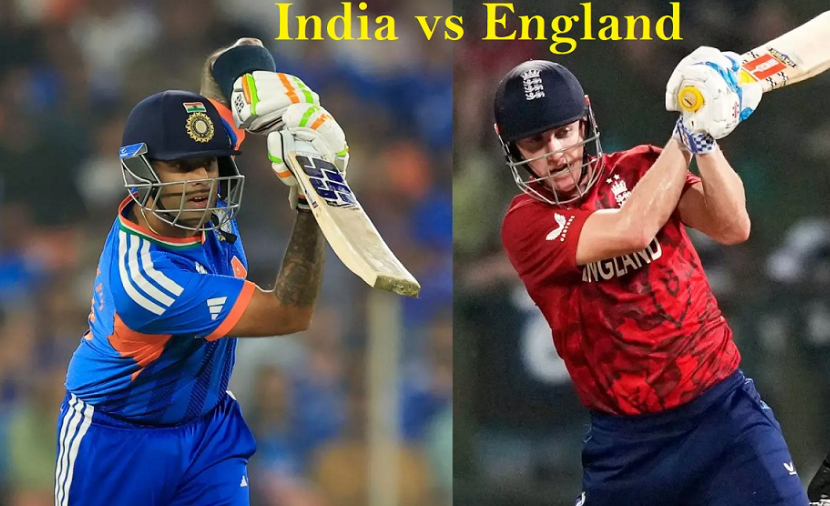
The rivalry between England and India is one of the most celebrated stories in international cricket. Spanning multiple generations, this contest has delivered unforgettable matches, remarkable individual performances, and dramatic turning points that have shaped the sport. From the earliest encounters to modern-day battles across Tests, One Day Internationals, and T20 Internationals, both teams have consistently pushed each other to new heights. Legendary captains, world-class batters, and match-winning bowlers have all contributed to the rich history of this rivalry. With passionate supporters on both sides and countless memorable scorecards, every meeting adds another exciting chapter to an already remarkable cricketing journey.
Recent Matches Table
| Match Date | Match Format | Venue | Winner Team | First Innings Score | Second Innings Score | Match Margin |
| 05 March 2026 | T20I | Mumbai | India | 253 for 7 | 246 for 7 | India won by 7 runs |
| 31 July 2025 | Test | London | India | 396 all out | 367 all out | India won by 6 runs |
| 23 July 2025 | Test | Manchester | England | 423 all out | 310 all out | England won by 113 runs |
| 10 July 2025 | Test | Birmingham | Drawn | 579 all out | 557 all out | Match drawn |
| 02 July 2025 | Test | Lord’s | England | 678 all out | 512 all out | England won by 166 runs |
| 20 June 2025 | Test | Nottingham | India | 455 all out | 412 all out | India won by 43 runs |
Team Statistics Summary Table
| Format Name | Matches Played | India Wins | England Wins | Matches Tied | Matches Drawn | No Result |
| Test Matches | 141 | 37 | 54 | 0 | 50 | 0 |
| One Day Internationals | 107 | 58 | 44 | 1 | 0 | 4 |
| Twenty20 Internationals | 30 | 18 | 12 | 0 | 0 | 0 |
| Overall Combined | 278 | 113 | 110 | 1 | 50 | 4 |
Individual Batting Records Table
| Player Name | Team Country | Total Runs | Batting Average | Highest Score | Total Hundreds | Total Fifties |
| Sachin Tendulkar | India | 2535 | 51.73 | 193 | 7 | 13 |
| Sunil Gavaskar | India | 2483 | 38.20 | 221 | 4 | 16 |
| Virat Kohli | India | 1991 | 42.36 | 235 | 5 | 9 |
| Alastair Cook | England | 2431 | 47.66 | 294 | 7 | 9 |
| Gundappa Viswanath | India | 1880 | 37.60 | 222 | 4 | 12 |
| Joe Root | England | 2846 | 58.08 | 218 | 10 | 11 |
Individual Bowling Records Table
| Bowler Name | Team Country | Total Wickets | Best Bowling | Bowling Average | Five Wicket Hauls | Matches Played |
| James Anderson | England | 149 | 5 for 20 | 26.26 | 5 | 39 |
| Ravichandran Ashwin | India | 114 | 6 for 55 | 27.53 | 7 | 24 |
| BS Chandrasekhar | India | 95 | 8 for 79 | 27.14 | 8 | 23 |
| Anil Kumble | India | 92 | 7 for 115 | 30.59 | 4 | 19 |
| Kapil Dev | India | 85 | 6 for 91 | 29.32 | 4 | 29 |
| Stuart Broad | England | 74 | 6 for 25 | 28.51 | 2 | 24 |
The Beginning of a Historic Cricket Relationship
The cricket connection between these two nations began decades ago and quickly developed into one of the sport’s most respected contests. Early encounters carried significant importance because they represented far more than a sporting challenge. Players competed under intense pressure while learning different conditions, styles, and tactical approaches. The opening chapters of this rivalry were dominated by disciplined bowling, patient batting, and long periods of strategic cricket. Every match helped build mutual respect while also creating a competitive spirit that would grow stronger with time. Supporters followed every result closely, and each series added another layer to a fascinating sporting relationship. These early contests laid the foundation for future generations, turning ordinary fixtures into events followed by millions around the world.
| Era | Matches | Wins | Draws |
| Early Years | 12 | 8 | 4 |
| Growth Period | 15 | 7 | 6 |
| Transition Era | 18 | 9 | 5 |
| Modern Era | 22 | 11 | 4 |
When One Side Controlled the Contest
During the early decades, one team enjoyed a clear advantage thanks to greater experience, stronger domestic structures, and familiarity with challenging conditions. Their bowlers maintained relentless accuracy while batters regularly produced match-defining performances. Opponents often struggled to adjust to pace, movement, and tactical discipline. Despite setbacks, every defeat provided valuable lessons that contributed to long-term improvement. Coaches and captains focused on strengthening technique, improving fitness, and developing confidence against elite competition. Although results frequently favored one side, the competitive gap slowly narrowed. Several close finishes suggested that a major shift could arrive in the future, creating excitement among supporters who believed better days were ahead.
| Period | Series | Victories | Defeats |
| Decade One | 5 | 4 | 1 |
| Decade Two | 6 | 5 | 1 |
| Decade Three | 7 | 5 | 2 |
| Decade Four | 8 | 4 | 3 |
The Rise of Competitive Battles
As experience increased, contests became far more balanced and unpredictable. Talented players emerged with the ability to challenge established stars and influence major matches. Batters played with greater confidence, bowlers attacked aggressively, and fielding standards improved significantly. Every series seemed to produce a new hero capable of changing the momentum. Close finishes became common, attracting larger audiences and increasing media attention. Tactical planning also evolved, with captains introducing creative strategies to gain small advantages. The rivalry gained a reputation for producing dramatic sessions where fortunes changed rapidly. Fans appreciated the growing competitiveness and eagerly anticipated each new chapter.
| Aspect | Earlier Period | Improved Period | Impact |
| Batting | Defensive | Positive | Higher Scores |
| Bowling | Consistent | Aggressive | More Wickets |
| Fielding | Average | Sharp | Better Pressure |
| Strategy | Basic | Advanced | Closer Matches |
Landmark Victories That Changed Perceptions
Certain victories transformed the rivalry by proving that historical records no longer guaranteed future success. These wins were celebrated because they demonstrated resilience, belief, and tactical maturity. Teams that had once struggled began winning crucial sessions and converting opportunities into memorable results. Outstanding individual performances often provided the difference, but collective effort remained equally important. Fans viewed these victories as turning points that altered expectations and inspired future generations. Momentum gradually shifted as confidence grew. Each landmark success added another memorable chapter and ensured that future meetings would be approached with greater caution and respect by both sides.
| Match Type | Result Margin | Key Factor | Outcome |
| Test | Narrow | Bowling | Victory |
| ODI | Moderate | Batting | Victory |
| Test | Comfortable | All Round Play | Victory |
| Limited Overs | Close | Fielding | Victory |
Star Players and Defining Individual Performances
Great rivalries are remembered through extraordinary performances from exceptional players. Across different generations, star batters produced memorable centuries while bowlers delivered spells that changed entire series. Some athletes thrived under pressure and consistently performed when expectations were highest. Their achievements inspired teammates and created unforgettable moments for supporters. Individual brilliance often influenced tactical decisions, forcing opponents to adjust plans and field placements. These players became symbols of determination, skill, and competitive excellence. Their contributions ensured that every contest contained a compelling personal battle alongside the broader team rivalry.
| Role | Contribution | Influence | Legacy |
| Opener | Fast Starts | Momentum | High |
| Middle Order | Stability | Recovery | Strong |
| Fast Bowler | Breakthroughs | Pressure | Lasting |
| Spinner | Control | Balance | Significant |
Memorable Encounters Under Pressure
High-pressure matches often reveal the true character of a team. Several contests were decided during tense final sessions, where small mistakes carried enormous consequences. Captains faced difficult decisions regarding bowling changes, batting orders, and field placements. Players were required to remain calm despite intense crowd noise and growing expectations. Dramatic partnerships, late wickets, and crucial catches created unforgettable memories. These encounters strengthened the rivalry because supporters experienced every emotion, from hope and excitement to disappointment and relief. Such moments continue to be discussed long after the final ball has been delivered.
| Situation | Challenge | Response | Result |
| Run Chase | High Target | Calm Batting | Success |
| Final Session | Wickets Needed | Aggressive Bowling | Success |
| Tight Finish | Pressure | Smart Decisions | Victory |
| Knockout Match | Expectations | Team Effort | Positive Result |
The Legacy of a Global Cricket Rivalry
Today, this rivalry remains one of cricket’s most followed contests because of its history, quality, and emotional significance. Generations of players have contributed memorable performances, while supporters continue to create remarkable atmospheres. The rivalry has influenced tactics, inspired future stars, and produced countless unforgettable moments. Modern encounters combine tradition with innovation, ensuring that every series feels both familiar and fresh. As new players emerge and records continue to be challenged, the story keeps evolving. The legacy built over decades guarantees that future matches will attract worldwide attention and remain an important part of cricket history.
| Element | Past Impact | Present Impact | Future Value |
| Tradition | Strong | Strong | Lasting |
| Competition | Growing | Intense | Expanding |
| Fan Interest | High | Massive | Sustainable |
| Global Reach | Regional | Worldwide | Greater Growth |
Conclusion
The England and India cricket rivalry continues to stand among the finest contests in world cricket. Decades of competition have produced historic victories, iconic player performances, and thrilling finishes that remain etched in the memories of fans. Each era has introduced new stars, fresh challenges, and evolving tactics, ensuring that the rivalry never loses its appeal. Beyond statistics and scorecards, these encounters represent passion, pride, and the pursuit of excellence at the highest level. As future generations take the field, the legacy of past battles will continue to inspire players and supporters, keeping this remarkable cricket rivalry alive for many years to come.
faq?
Q: When did the cricket rivalry between England and India begin?
A: The rivalry began in 1932 when India played its first official Test match against England at Lord’s, marking the start of a historic cricketing relationship.
Q: Which format has produced the most memorable contests between the two teams?
A: Test cricket has produced many of the most memorable encounters, although ODIs and T20Is have also delivered several thrilling matches and unforgettable moments.
Q: Who are some of the most influential players in this rivalry?
A: Several legendary cricketers have shaped this rivalry through the years, contributing with outstanding batting, bowling, leadership, and match-winning performances.
Q: Why is this rivalry considered important in world cricket?
A: The rivalry combines a rich history, competitive matches, passionate fan bases, and high-quality performances, making it one of the most followed contests in international cricket.
Q: What makes modern encounters between these teams so exciting?
A: Modern matches feature world-class players, advanced tactics, intense competition, and strong fan support, creating exciting contests across all formats of the game.